
Graduate
Our Young Pre classroom is for ages. This age group is working on developing their fine and gross motor skills, that are gaining independence and developing their social skills through play.
We also assist with potty learning. Our teacher to student ratio is 1:6 in this classroom. Our Young Pre classroom is for ages 2+. This age group is working on developing their fine and gross motor skills, that are gaining.independence, and developing their social skills through play. We also assist with potty learning.
Degree programs
Accounting Fisher
Agricultural and Life Sciences
Arts
Construction
Education
Liberal Arts
Liberal Arts
Liberal Arts
Graduated 2017
Respect
It started out as a preschool with five students in a church located in the heart of Princeton. Growing rapidly, the school moved into a larger church building on All Saints.
Responsibility
It started out as a preschool with five students in a church located in the heart of Princeton. Growing rapidly, the school moved into a larger church.
Honesty
It started out as a preschool with five students in a church located in the heart of Princeton. Growing rapidly, the school moved into a larger church building on All Saints.
Kindness
It started out as a preschool with five students in a church located in the heart of Princeton. Growing rapidly, the school moved into a larger church.
TAS -Technology & Applied Sciences
Where ideas become reality
At Salamah College, our Technology and Applied Sciences (TAS) Faculty provides students with practical, hands-on learning experiences that bridge creativity, design, and real-world problem-solving. Through courses in Technology, Design and Technology, Food Technology, and Computing Technology, students develop the technical skills, critical thinking, and innovation mindset needed for future careers in design, engineering, digital technology, and the food industry.
By designing, creating, and testing their own projects, students gain confidence in their abilities and develop problem-solving skills that are highly valued in today’s fast-changing world.
The TAS Faculty is committed to:
- Providing a hands-on, project-based learning environment that encourages creativity and innovation.
- Aligning with the latest NESA syllabus to ensure students develop industry-relevant skills.
- Equipping students with problem-solving and critical-thinking skills for real-world applications.
- Integrating digital technology, coding, and design principles into student learning.
- Promoting teamwork, collaboration, and resilience in project-based tasks.
- Encouraging students to explore STEM pathways through engineering, digital media, and food sciences.
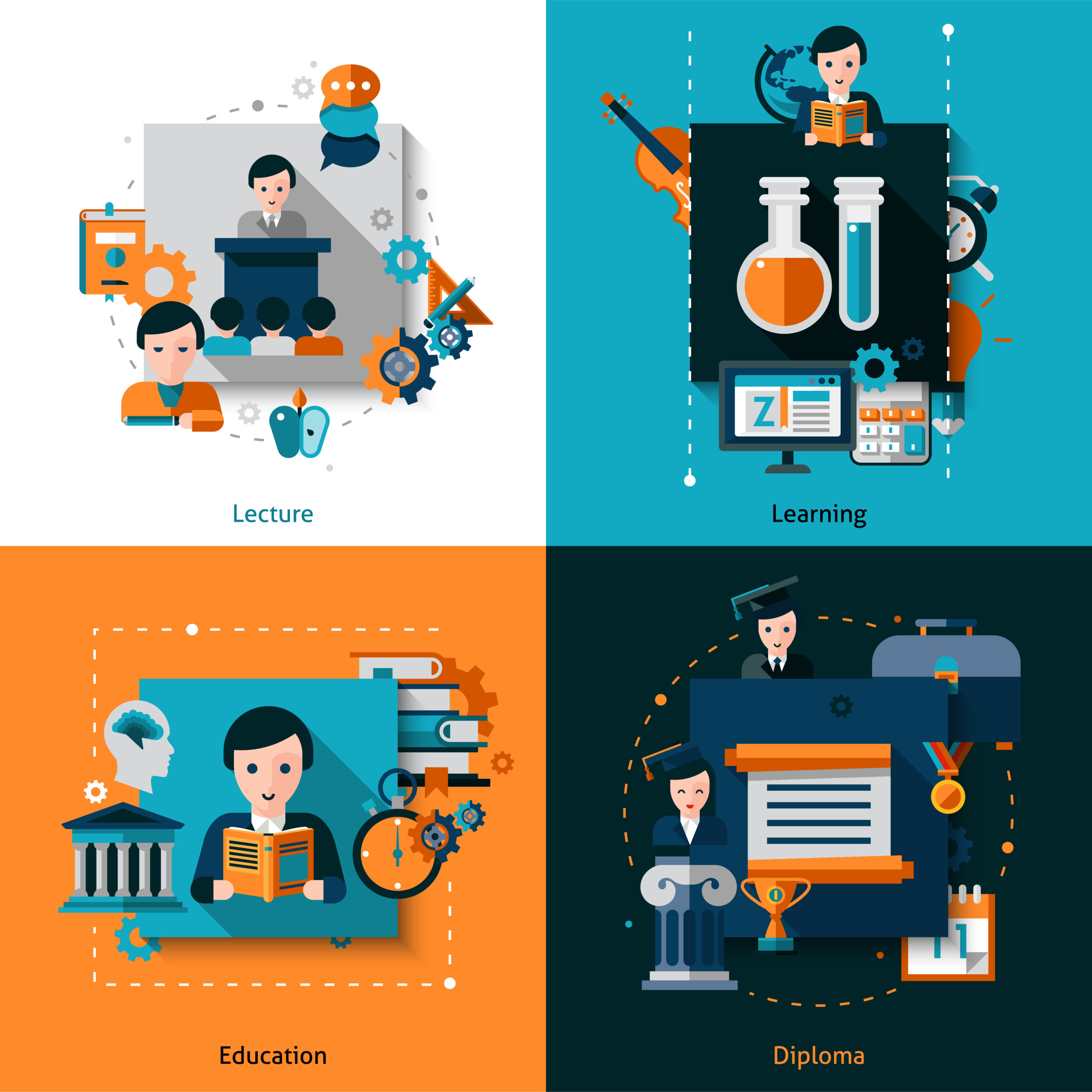
Technology & Applied Sciences Curriculum Overview
Our curriculum follows the NSW Technology & Applied Sciences Syllabus, ensuring students develop essential technical, digital, and design skills across Stage 4, Stage 5, and Stage 6.
Stage 4 (Years 7 & 8) – Introduction to Technology & Design
Stage 4 students explore a variety of technological disciplines, gaining hands-on experience with tools, materials, and processes.
Design & Technology
Developing creative thinking through small-scale projects, such as digital designs, simple structures, and functional prototypes.
Food Technology
Learning about nutrition, meal planning, and food preparation through practical cooking experiences.
Computing Technology
Introduction to coding, digital design, and website development.
Through these foundational projects, students gain confidence in planning, measuring, assembling, and troubleshooting, setting the stage for more advanced learning.
Stage 5 (Years 9 & 10) – Expanding Creativity & Technical Skills
In Stage 5, students take a deeper dive into design, technology, and digital innovation, choosing elective subjects that match their interests.
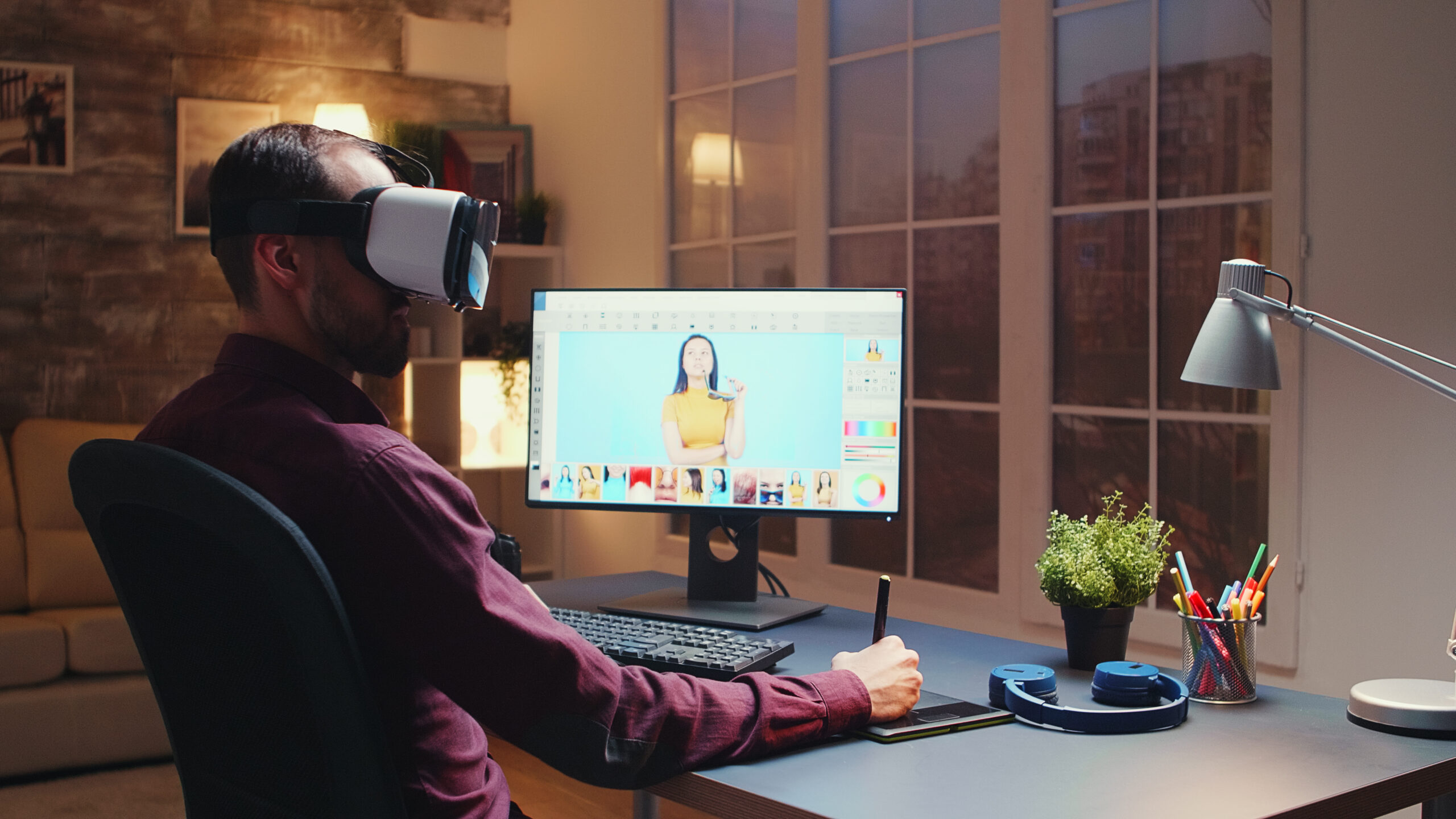
Design & Technology:
Working through the full design process – from brainstorming and research to prototyping and final production.
Using wood, metal, and digital media to create sustainable product designs, ergonomic furniture, and practical innovations.
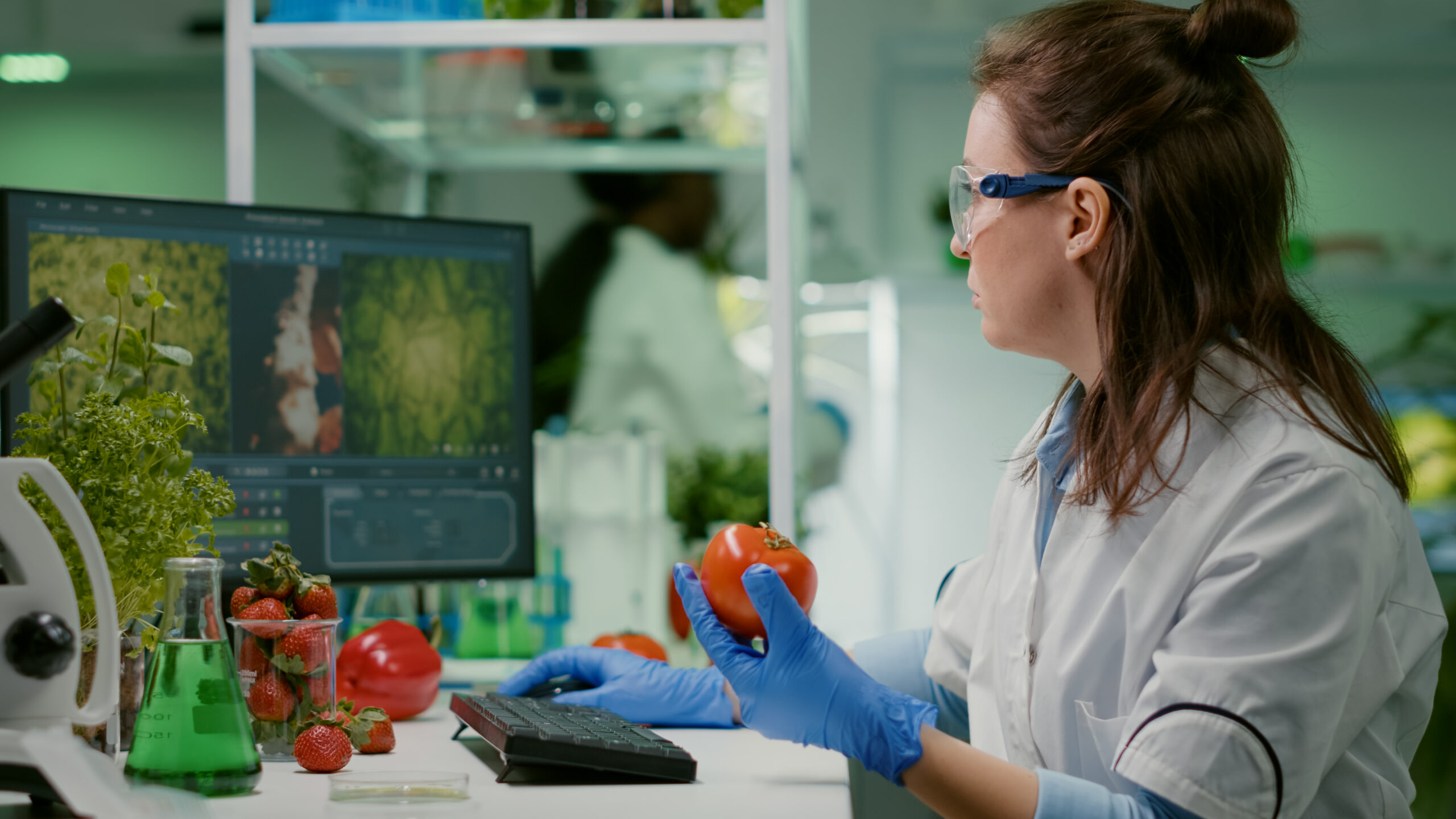
Food Technology:
Hands-on experience in cooking, food safety, and meal planning.
Preparing balanced meals and international dishes while learning about nutrition and flavour profiles.

Computing Technology:
Introduction to coding, app development, and digital media design.
Projects include website creation, game development, and digital art.
Students work on real-world design challenges, applying their knowledge in practical ways to develop engineering, problem-solving, and collaborative skills.
Key Learning Highlights
Engineering & Design Projects: Creating functional prototypes and testing designs.
Culinary Science & Nutrition: Experimenting with food chemistry, meal presentation, and industry trends.
Digital & Computing Innovation: Designing apps, interactive media, and automated systems.
Students graduate with practical skills, a strong portfolio of work, and a deep understanding of industry trends, preparing them for further studies or careers in STEM, hospitality, and design fields.
Student Engagement & Hands-On Learning
The TAS Faculty provides students with opportunities to bring their ideas to life through:
Design & Engineering Challenges – Students tackle real-world problems by creating, testing, and refining prototypes.
Coding & Digital Media Projects – Designing websites, games, and digital solutions for real-world applications.
Food Innovation Workshops – Experimenting with new flavours, cooking techniques, and sustainable food practices.
Technology & Trade Skills Development – Gaining experience with hand tools, machinery, and construction techniques.
Students apply classroom knowledge to practical projects, ensuring they develop both technical expertise and creative problem-solving abilities.
Student Engagement & Hands-On Learning
The TAS Faculty provides students with opportunities to bring their ideas to life through:
Design & Engineering Challenges – Students tackle real-world problems by creating, testing, and refining prototypes.
Coding & Digital Media Projects – Designing websites, games, and digital solutions for real-world applications.
Food Innovation Workshops – Experimenting with new flavours, cooking techniques, and sustainable food practices.
Technology & Trade Skills Development – Gaining experience with hand tools, machinery, and construction techniques.
Students apply classroom knowledge to practical projects, ensuring they develop both technical expertise and creative problem-solving abilities.
Technology in Learning – Integrating Digital Innovation
We incorporate cutting-edge digital tools into the TAS curriculum to enhance learning, creativity, and collaboration.
3D Design & Modelling – Using computer-aided design (CAD) software for product development.
App & Website Development – Teaching students coding and user experience (UX) design.
Food Science Analysis – Exploring the chemical properties of ingredients and food safety.
Augmented & Virtual Reality in Design – Enhancing product development with 3D simulations.
By integrating technology and industry-relevant skills, students gain a competitive edge for future careers in design, food science, engineering, and digital technology.
Assessments & Homework
Assessment plays a key role in tracking student progress and ensuring they meet NSW curriculum standards.
Formative Assessments – Regular design challenges, skill demonstrations, and teacher feedback.
Summative Assessments – Major projects, food preparation tasks, and coding challenges.
Research & Practical Reports – Exploring food trends, digital solutions, and sustainable design principles.
HSC Major Works (Stage 6) – Year-long individual projects showcasing innovation, creativity, and practical application.
Homework is designed to:
Reinforce theoretical knowledge through research and reflection.
Encourage independent learning by allowing students to experiment with designs and coding.
Prepare students for project-based assessments through iterative testing and feedback.

Supporting Students & Parents
At Salamah College, we believe in strong partnerships between students, teachers, and parents to support academic and career success in TAS subjects.
Parent Engagement Workshops – Helping families understand technology trends and career pathways.
After-School Project Support – Extra guidance for major works and portfolio development.
Industry & University Connections – Providing insights into careers in technology, food science, and digital media.
Inspiring the Designers, Innovators, and Technologists of the Future
At Salamah College, our Technology & Applied Sciences Faculty is dedicated to empowering students with the skills, creativity, and confidence to thrive in design, digital technology, engineering, and the food industry. By combining hands-on learning, real-world applications, and future-focused innovation, we prepare students to become the problem solvers, creators, and entrepreneurs of tomorrow.
